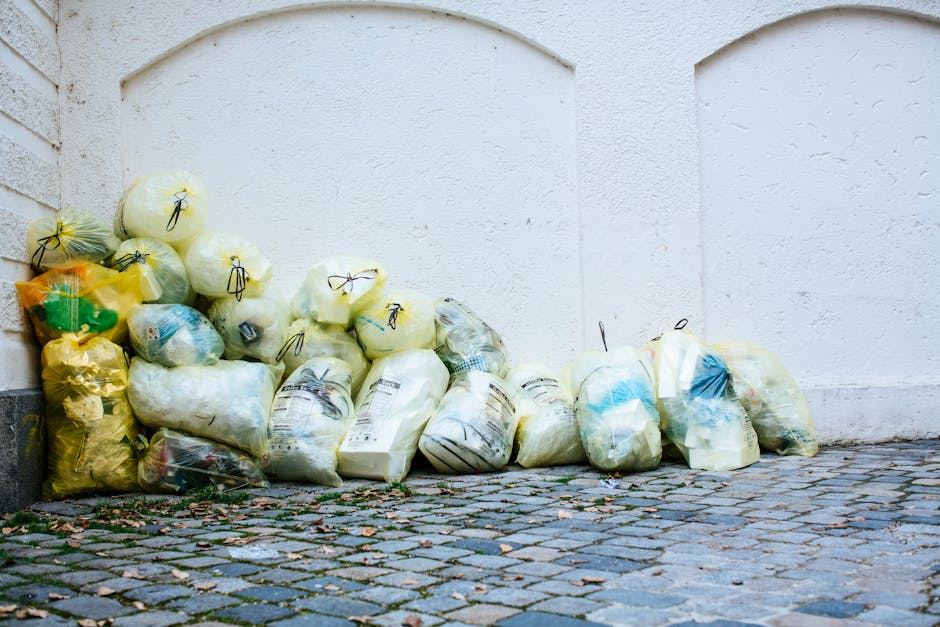
What Bromley Council Rules Mean for Beckenham Cleaning Waste
If you clean homes, manage a rental, run a small office, or simply want to get rid of dirty cloths, packaging, and leftover cleaning materials properly, understanding What Bromley Council Rules Mean for Beckenham Cleaning Waste saves time, hassle, and a fair bit of guesswork. Waste rules sound dull until you are stood by a black bag at the kerbside wondering whether it counts as household rubbish, recycling, or something that needs separate handling. Truth be told, that moment comes more often than people think.
This guide explains the local picture in plain English. You will learn how cleaning waste is usually handled, why council expectations matter in Beckenham, what good practice looks like, and how to avoid the kinds of mistakes that can lead to missed collections, complaints, or unnecessary disposal costs. It is practical, local, and written for people who just want to do the right thing without turning waste management into a second job.
Table of Contents
- Why What Bromley Council Rules Mean for Beckenham Cleaning Waste Matters
- How What Bromley Council Rules Mean for Beckenham Cleaning Waste Works
- Key Benefits and Practical Advantages
- Who This Is For and When It Makes Sense
- Step-by-Step Guidance
- Expert Tips for Better Results
- Common Mistakes to Avoid
- Tools, Resources and Recommendations
- Law, Compliance, Standards, or Best Practice
- Options, Methods, or Comparison Table
- Case Study or Real-World Example
- Practical Checklist
- Conclusion
- Frequently Asked Questions
Why What Bromley Council Rules Mean for Beckenham Cleaning Waste Matters
Cleaning waste is not one neat category. It can include vacuum contents, dust cloths, mop water, packaging from cleaning products, used paper towels, sanitising wipes, empty trigger bottles, bags of debris from deep cleans, and sometimes contaminated items that should not go in general recycling. In a busy place like Beckenham, where homes, flats, small businesses, landlords, and shared buildings all overlap, those details matter more than people expect.
The main reason Bromley Council rules matter is simple: waste disposal is not just about getting rid of things. It is about disposing of them in a way that fits local collection arrangements, protects street cleanliness, and avoids putting the wrong materials into the wrong stream. If you do it badly, even by accident, you may face rejected bins, extra waste sitting around for days, or a complaint from a neighbour or managing agent. Nobody wants that, especially on a wet Monday morning when the bin lids are already doing that half-open, half-stuck thing.
There is also a broader practical reason. Proper cleaning waste handling makes a property look cared for. That matters for landlords, letting agents, offices, hospitality settings, and anyone preparing a space for new occupants. It is one of those background tasks that quietly shapes first impressions. You do not always notice good waste practice, but you definitely notice bad waste practice.
Key takeaway: local council rules are not there to make cleaning harder; they exist to make disposal safer, cleaner, and more predictable. If you know the expectations, you can plan your cleaning routine around them instead of improvising at the end.
How What Bromley Council Rules Mean for Beckenham Cleaning Waste Works
In practical terms, the council rules affect two things: what goes out and how it is presented. The exact collection details can vary by property type and waste stream, but the principle stays the same. Normal household cleaning waste usually belongs in general waste unless it can be safely recycled in a clean, accepted format. Recyclables should be kept free from food residue, chemicals, and contamination.
Think of it this way: a clean cardboard box that held detergent bottles is a different thing from a wet, bleach-stained box with cling film stuck to it. One may be acceptable for recycling; the other probably is not. That distinction sounds obvious, but in day-to-day cleaning it gets blurred quickly.
For domestic properties, routine cleaning waste often comes down to separating dry recyclables from contaminated material. For example, empty and rinsed bottles may be recyclable if accepted locally, while wipes, vacuum dust, mop heads, and heavily soiled paper usually are not. Commercial properties may need a stronger waste separation routine, especially where cleaning takes place alongside food service, retail, or customer-facing operations.
The other side of the process is presentation. Bags need to be closed, containers should not be overfilled, and anything sharp or hazardous should not be loosely mixed into ordinary rubbish. If there are bulky items, excess sacks, or unusual waste, it may need a separate arrangement rather than the standard kerbside collection. That is where many people get caught out. They assume "waste is waste," then realise the council sees categories, not just clutter.
In a Beckenham block of flats, for example, a cleaning contractor might remove dust, packaging, wipes, and small disposable items after an end-of-tenancy clean. Some of that can go in ordinary residual waste, some may be recyclable if uncontaminated, and some may need separate handling. A careful system saves a lot of sorting later. A rushed system just creates a bigger mess in a different bag.
Key Benefits and Practical Advantages
Following the local expectations around cleaning waste brings more benefits than people first assume. The obvious one is compliance, but there are several less obvious wins too.
- Cleaner collections: bags are less likely to split, leak, or attract pests when waste is separated properly.
- Fewer refusals: mixed or contaminated recycling is less likely to be left behind.
- Better property presentation: tidy waste handling helps homes, rentals, and workplaces look organised.
- Lower stress: you are not trying to solve disposal problems at the last minute.
- Safer working practice: cleaners and occupants are less exposed to sharp or contaminated items.
- Better budgeting: if waste is sorted well, you are less likely to pay for avoidable extra disposal trips.
There is also a reputational angle. If you manage properties or operate a cleaning business, people notice whether you leave spaces tidy after the work is done. Not in a dramatic way, just in that quiet "they thought of everything" sense. That matters more than a lot of businesses admit.
And to be fair, local waste discipline can improve the pace of the whole cleaning job. Once your team knows where wet waste goes, where dry waste goes, and what must be isolated, the job flows better. Less rummaging. Less re-bagging. Less confusion. Simple, but useful.
Who This Is For and When It Makes Sense
This topic is relevant to a lot of people in Beckenham, not just professional cleaners. If you are handling any kind of cleaning waste, the rules matter.
You may need this if you are:
- a homeowner doing a deep clean after decorating, damp, or a busy season of family life
- a tenant trying to leave a property tidy at the end of a tenancy
- a landlord or letting agent preparing a property for new occupants
- a facilities manager in a small office, studio, or shared workspace
- a cleaning contractor or independent cleaner working across the area
- a business owner dealing with regular wipe-down waste, packaging, and disposable cleaning materials
It makes the most sense whenever waste is likely to be more than just a single kitchen bag. For example, after a deep carpet clean, a post-renovation tidy, a full spring clean, or a property clear-out, the amount and type of waste can change quickly. That is usually when people need a simple system, not a guessing game.
If you have ever finished cleaning and realised the bins are full, recycling is contaminated, and there is a pile of damp cloths sitting on the floor by the back door, you already know why a plan helps. Been there, seen that, sorted it. Usually after lunch, when everyone is ready to go home.
Step-by-Step Guidance
Here is a practical way to handle cleaning waste in line with local expectations. It is not complicated, but it does reward a bit of discipline.
- Identify the waste before you start. Separate likely waste types in your head first: general rubbish, recyclables, contaminated material, and anything potentially hazardous.
- Keep recycling clean. Only place packaging or containers into recycling if they are suitable and not badly contaminated by chemicals or dirt.
- Bag contaminated waste separately. Wipes, heavily soiled paper, vacuum contents, and cloths used with chemical cleaners usually belong in residual waste.
- Do not overfill bags. A bag that is stretched to the limit tends to split on the path to the bin. Annoying, messy, avoidable.
- Check whether anything is special waste. Certain items, such as some cleaning chemicals, razors, broken glass, or very large quantities of waste, may need different handling.
- Store waste safely until collection. Keep it out of walkways, protected from rain where possible, and away from pets or children.
- Match disposal to the property type. Flats, HMOs, commercial premises, and houses may have different bin arrangements and collection schedules.
- Review your routine after each clean. If you keep having the same disposal problem, the sorting method probably needs improving.
A good rule of thumb is this: if an item is wet, dirty, chemically contaminated, or likely to spread residue to other materials, treat it carefully and do not assume it belongs in recycling. Common sense goes a long way here. The council does not need perfection, but it does need basic separation and sensible presentation.
For businesses that want to keep things tighter, it can help to build disposal into the job checklist rather than leaving it to whoever finishes last. That tiny shift often cuts mistakes in half. Not glamorous. Very effective.
Expert Tips for Better Results
After enough cleaning jobs, a few patterns become obvious. The better waste routines are rarely complicated, but they are consistent.
1. Set up waste stations before you start.
Keep separate bags or bins ready for residual waste and recyclable dry packaging. If everything starts in one pile, it usually stays in one pile.
2. Keep chemical residue away from recyclables.
Even a small amount of cleaning fluid can make a recyclable item unsuitable. If in doubt, keep it out.
3. Flatten clean cardboard and dry packaging.
This saves space and makes it easier to see what is actually being thrown away. Nice and simple.
4. Use stronger bags for heavy or damp waste.
Thin bags split at the worst possible moment, usually on stairs or just before the bin gate. Of course they do.
5. Train everyone the same way.
If one person bags wipes as recycling and another puts them in general waste, the system gets messy quickly. Consistency matters more than cleverness.
6. Keep an eye on collection timing.
In busy streets, bins can fill up fast. If you know collection days, you can avoid the awkward "where do we put this now?" moment.
7. Treat sharp or broken items separately.
Broken glass, blades, or damaged tools should never be casually mixed into loose waste bags.
One small habit that helps a lot: pause for thirty seconds at the end of a job and look at the waste before it leaves the site. That short pause catches a surprising number of problems. The kettle can wait.
Common Mistakes to Avoid
Most waste problems come from a few predictable slip-ups. Avoid these and you will already be ahead of the game.
- Mixing everything together: this is the easiest way to contaminate recyclable materials.
- Putting wet waste in recycling: damp wipes, tissues, and soiled cloths usually do not belong there.
- Overstuffing bags: they split, spill, and create more work than they save.
- Leaving chemical containers uncleared: residue can make them unsuitable for normal recycling.
- Ignoring property-specific rules: shared buildings may have designated bin areas or collection arrangements.
- Assuming all cleaners know the same system: if no one has explained it, mistakes are almost guaranteed.
- Waiting until the end to sort waste: sorting a mixed pile at the last minute is slow and frustrating.
One of the most common traps is assuming that "cleaning waste" is always minor and harmless. Usually it is minor. Sometimes it is not. A deep clean after a leak, a mould treatment job, or a post-renovation tidy can produce more waste than expected, and some of it may need special handling. The labels on products matter too, especially when strong chemicals are involved.
Another easy mistake is forgetting that waste in a communal area affects everyone. In a Beckenham block or shared house, one badly placed bag can create smells, pests, or complaints in no time. Little things travel. A dropped wipe here, a leaking bag there, and suddenly everyone is irritated.
Tools, Resources and Recommendations
You do not need a complicated setup to handle cleaning waste well. A few practical tools make the process much easier.
- Colour-coded bags or containers: helpful for separating residual waste from recyclable dry materials.
- Heavy-duty sacks: useful for damp or dense waste that might otherwise split.
- Labels for storage areas: especially helpful in businesses, flats, or shared cleaning cupboards.
- PPE such as gloves: sensible whenever waste may include sharp or contaminated items.
- Spill-proof storage bins: a good choice for temporary holding before collection.
- Simple job checklists: one of the cheapest and most effective tools going.
For readers who want a wider picture of cleaning standards and service planning, it can also help to look at broader operational pages such as health and safety policy guidance and recycling and sustainability principles. Those topics sit naturally alongside waste handling because they shape how cleaning work is organised day to day.
If you are comparing cleaning service options or trying to budget for a larger job, the pages on pricing and quotes and insurance and safety can also be useful. Waste handling is often part of the bigger service picture, even when it is not the headline item.
And yes, a simple notebook or shared digital checklist still works brilliantly. Sometimes the old ways are the best ways. Slightly unglamorous, admittedly.
Law, Compliance, Standards, or Best Practice
Waste disposal in the UK is shaped by a mix of local collection rules, general waste legislation, duty-of-care principles, and practical best practice. For most people in Beckenham, the day-to-day question is not about memorising legal text. It is about making sure waste is stored, separated, and presented in a way that is sensible and lawful for the type of property involved.
A few broad principles are worth keeping in mind:
- Do not misclassify waste: if waste is contaminated or unsuitable for recycling, keep it out of the recycling stream.
- Keep hazardous or sharp items secure: they should not be loose in a general sack where they can injure someone.
- Follow property and collection arrangements: shared buildings often have their own bin rules and timings.
- Use reasonable care with chemical products: leftover liquids and residue should be handled safely, not tipped casually into mixed waste.
- Act proportionately: the more intense the cleaning job, the more important it is to sort waste properly.
For commercial cleaners, compliance becomes even more important because there is usually a clearer duty to manage waste responsibly and document routines sensibly. That does not mean paperwork for the sake of it. It means being able to show that your waste process is orderly, safe, and not a fire hazard, slip risk, or contamination issue waiting to happen.
Best practice is simple: separate, label, store, and dispose. If there is doubt, err on the side of caution rather than hoping the bin lid will sort it out. It won't. The bin lid is not that clever.
Options, Methods, or Comparison Table
Different cleaning jobs call for different disposal approaches. Here is a straightforward comparison that may help you decide what fits best.
| Method | Best For | Strengths | Watch Outs |
|---|---|---|---|
| General waste only | Small domestic cleans with limited waste | Simple, quick, easy to manage | Can become messy if recyclable items are added too |
| Separate recycling and residual waste | Most homes, offices, and routine cleaning jobs | Cleaner sorting, better compliance, less contamination | Needs a bit of discipline and clear labelling |
| Dedicated waste handling for larger jobs | Deep cleans, end-of-tenancy work, commercial premises | Better control over volume and special items | May require more storage space and planning |
| Specialist disposal for unusual waste | Sharp items, chemicals, contaminated materials, bulky debris | Safer and more appropriate for higher-risk waste | Needs advance thought and sometimes extra cost |
If you are not sure which method fits your situation, start with the simplest version that still keeps waste separated correctly. There is no prize for overcomplicating it. A clean, repeatable routine beats a fancy system nobody uses.
Case Study or Real-World Example
Imagine a small rented flat in Beckenham after a long winter. The carpets have collected dust, the kitchen bins are full, there are empty cleaning product bottles under the sink, and the hallway has a few bags of mixed waste from a deep clean. Nothing dramatic, just the usual end-of-season chaos that somehow appears overnight.
The first step is not to shove everything into one bag and hope for the best. The better approach is to split the waste into three rough groups: recyclable clean packaging, ordinary residual waste, and anything contaminated or unsafe. Dry cardboard from product boxes can be flattened. Empty bottles can be checked and rinsed if suitable. Wipes, used cloths, and vacuum contents go elsewhere. If a bottle still holds chemical residue, it should be handled more cautiously.
Once sorted, the waste is bagged securely and stored neatly for collection. The result is usually less smell, less clutter, and fewer issues at the bin area. That sounds small, but in a flat with limited outdoor space it makes a huge difference. You notice the air feels fresher, the hallway looks less chaotic, and no one has to tiptoe around an awkward pile by the door.
The same logic works for a small office after a post-clean refresh. Paper towels, packaging, and disposable cloths can be separated from the clean recyclables and from any items contaminated by chemicals. The cleaner finish is not just visually better. It feels more organised. People pick up on that.
Practical Checklist
Use this checklist before waste leaves the property:
- Have I separated recyclable dry items from residual cleaning waste?
- Are wipes, tissues, and heavily soiled items kept out of recycling?
- Have I checked for sharp, broken, or hazardous items?
- Are all bags securely closed and not overfilled?
- Are chemical containers empty enough and suitable before disposal?
- Is the waste stored safely until collection?
- Does the property have any shared-bin or timing rules I need to follow?
- Would any item benefit from a separate disposal method?
- Have I avoided leaving waste in a walkway or communal area?
- Does the final setup look tidy, sensible, and safe?
If you can tick most of those boxes, you are probably in good shape. If not, no drama. Just tighten the system next time. That is usually how better routines are built anyway.
Get a free quote today and see how much you can save.
Conclusion
What Bromley Council Rules Mean for Beckenham Cleaning Waste is, in the end, fairly straightforward: local rules shape how you separate, store, and present waste so it can be collected safely and sensibly. Once you understand the basics, the process becomes much less stressful. You waste less time, avoid avoidable mistakes, and keep homes or workplaces looking properly cared for.
The biggest advantage is not just compliance. It is confidence. You know what goes where, what needs caution, and what should never be mixed together in the first place. That makes cleaning feel more professional, whether you are doing one flat, several managed properties, or a commercial space that needs a tidy finish at the end of the day.
If you keep the routine simple, consistent, and respectful of local expectations, the whole job gets easier. And that, honestly, is what most people want at the end of a long clean: less fuss, fewer surprises, and a space that feels like it has been properly looked after.
Frequently Asked Questions
What counts as cleaning waste in Beckenham?
Cleaning waste usually includes used cloths, wipes, vacuum contents, dust, paper towels, disposable gloves, product packaging, and any leftover debris from the job. Some of it is recyclable if clean and accepted locally, but much of it belongs in general waste because it is contaminated or damp.
Can I put used cleaning wipes in recycling?
Usually no. Used wipes are normally contaminated and do not belong in recycling. Even if the packaging can sometimes be recycled, the wipes themselves are typically residual waste. If they have been used with chemicals, treat them carefully.
Do empty cleaning product bottles always go in recycling?
Not always. It depends on whether they are empty, clean enough, and accepted by the local recycling system. Bottles with residue, strong chemical traces, or non-recyclable components may need to go in general waste instead. Check the item carefully before placing it out.
What should I do with mop water or dirty cleaning liquid?
Dirty water should be handled cautiously and should not be tipped into inappropriate places. The right method depends on what it contains and the property setup. If it includes strong chemicals or unusual contamination, it may need special handling rather than ordinary disposal.
Are cleaning waste rules different for flats and shared buildings?
They can be. Flats and shared buildings often have communal bin areas, set collection arrangements, and additional expectations about storage. In practice, that means waste needs to be bagged properly, placed in the right area, and timed carefully so it does not cause nuisance.
What happens if I put the wrong waste in the wrong bin?
The most common result is a rejected or contaminated bin, which can lead to delays, mess, and frustration. In some cases it may also cause complaints from neighbours, landlords, or building managers. The fix is usually simple, but the disruption can be annoying.
How do professional cleaners usually handle waste in Beckenham?
Professional cleaners usually separate waste into clear categories, use strong bags, keep sharp or contaminated items secure, and follow the property's collection setup. Good cleaners build waste handling into the job rather than leaving it to the end. That saves time and avoids mistakes.
Is cleaning waste ever treated as hazardous?
Sometimes, yes. Not all cleaning waste is hazardous, but items contaminated with strong chemicals, broken glass, or sharp objects should be handled more carefully. When the waste is unusual or potentially risky, it should not be mixed casually with ordinary rubbish.
Do I need a special method for end-of-tenancy cleaning waste?
Often, yes. End-of-tenancy jobs tend to produce more waste than routine cleaning, including packaging, leftover household items, and a mix of recyclable and residual materials. A separate sorting and bagging system is usually the safest, tidiest option.
How can I make cleaning waste disposal easier day to day?
Set up separate bags or bins before the job begins, keep recycling clean, avoid overfilling sacks, and do a quick final check before collection. A simple repeatable routine is usually better than trying to improvise each time. Small habit, big payoff.
Why does waste handling matter if the property already looks clean?
Because waste is part of the overall impression. A property can be spotless inside and still feel untidy if bags are left loose, bins are overflowing, or recycling is badly mixed. Proper waste handling is one of those quiet details that makes the whole place feel finished.
Where can I get more help if I am unsure?
If you are unsure, it helps to review the property's bin arrangements, separate waste categories carefully, and use local best practice rather than guessing. For broader cleaning support, service information, safety guidance, and quote details, the site's pages on cleaning services, health and safety, and pricing can also help you plan the job more confidently.